


A cable gland is a vital component in the electrical installation process, playing a critical role in ensuring cables are securely connected to electrical enclosures, panels, and equipment. More than just a connector, a cable gland provides protection from environmental elements such as water, dust, and mechanical stresses. Whether you're working on a small home installation or a large industrial setup, knowing how to fit a cable gland correctly is crucial to maintaining safety and the longevity of the system.
This comprehensive guide walks you through the importance of cable glands, the types available, and the steps for fitting them properly to ensure that cables are protected and perform optimally in different environments. By following this guide, you will ensure that your electrical systems remain reliable, safe, and effective.
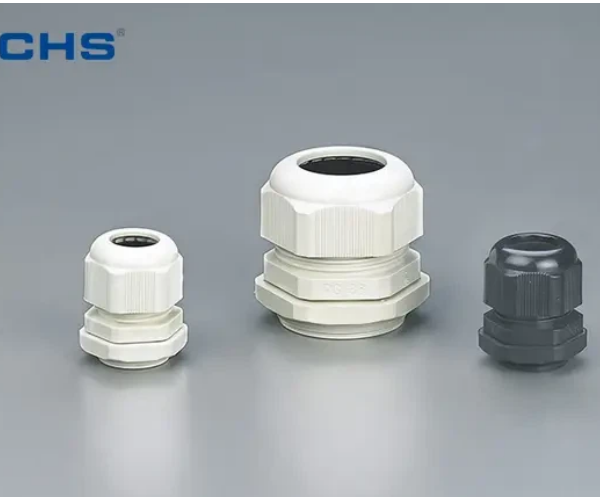
A cable gland is a mechanical device that securely attaches and seals the end of a cable where it enters an enclosure. The gland is responsible for preventing the entry of dust, moisture, and other contaminants that could damage electrical components inside the enclosure. In addition to sealing, cable glands also relieve mechanical stress placed on cables and ensure the cable is held securely in place.
Cable glands serve several essential functions:
Sealing: A cable gland prevents environmental elements such as water, dust, chemicals, and gases from entering the electrical equipment, which can cause short circuits, rust, or other forms of damage.
Strain Relief: It helps prevent stress from pulling or bending, which could damage the cable and cause failure. This feature is particularly important when cables are moved or flexed regularly.
Electrical Safety: In hazardous environments, cable glands ensure that cables stay securely fastened, preventing electrical faults caused by loose connections.
Protection and Durability: The gland helps to protect the cable from physical damage, including cuts, abrasions, and crushing, especially in rugged industrial environments.
There are various types of cable glands available, each designed to fit specific applications. Choosing the correct type is vital for ensuring long-lasting and safe electrical systems.
Non-metallic cable glands are typically made from materials such as plastic, nylon, or other corrosion-resistant polymers. These glands are ideal for indoor use, where environmental factors like moisture and temperature variations are not extreme. They are lightweight, cost-effective, and resistant to corrosion, making them suitable for a wide range of general-purpose applications.
These types of glands are typically used in environments that do not involve mechanical stress or high temperatures, such as residential buildings and office spaces.
Metallic cable glands are made from stronger materials like brass, aluminum, or stainless steel and are used with armored cables. They offer superior mechanical protection against impacts, cuts, and abrasions, making them suitable for industrial and outdoor applications. These glands are built to withstand harsh environments and extreme temperatures, offering high durability and enhanced protection.
They are commonly used in heavy-duty environments such as factories, industrial machinery, and transportation systems.
Explosion-proof cable glands are designed for use in hazardous environments where explosive gases or vapors may be present. These glands are built to contain any sparks or flames that may escape from electrical components, preventing them from igniting the surrounding atmosphere. Explosion-proof glands are essential in industries like petrochemicals, mining, and oil and gas production.
These glands adhere to stringent international safety standards, such as ATEX and IECEx certifications, ensuring they provide maximum protection in volatile environments.
Hygienic cable glands are designed for industries that require high levels of cleanliness, such as food processing, pharmaceuticals, and medical applications. Made from stainless steel and resistant to cleaning chemicals, these glands can withstand high-pressure washing and other cleaning processes. They are also resistant to corrosion, making them ideal for environments that require sterile conditions.
To install a cable gland correctly, several tools are needed to ensure a tight, secure fit. These tools help ensure safety and efficiency during installation.
Wrench: A wrench is used to tighten the cable gland securely. It is crucial for ensuring that the gland holds the cable firmly and creates a strong seal.
Screwdriver: A screwdriver may be needed for adjusting smaller components within the gland or for securing internal seals.
Gloves: Protect your hands during installation, especially when handling sharp edges of metal glands or cables. Gloves also ensure you don't damage delicate components.
Tape Measure: You’ll need to measure the length of cable to be stripped accurately before fitting the gland. This ensures the gland fits properly around the cable.
Cable Stripper: A cable stripper helps to remove the outer insulation from the cable without damaging the internal wires.
Cutters: Use cutters to trim the cable to the appropriate length before fitting it into the gland.
Before fitting the cable gland, it’s essential to prepare the cable properly to ensure a secure and effective installation.
Strip the Insulation: Use a cable stripper to remove the outer insulation from the cable. The amount of insulation you strip depends on the length of the gland and the cable entry. Make sure the exposed conductor length is enough to allow for proper connection inside the gland.
Clean the Wires: Ensure that the wires are clean and free from any debris, oil, or dirt. This will ensure the best possible connection inside the cable gland.
Check Cable Size: Ensure the cable’s diameter is suitable for the cable gland you plan to use. A gland that is too large or too small will not form an effective seal, leading to performance issues.
Choosing the correct cable gland is vital for ensuring proper functionality. Here’s how to make the right choice:
Cable Size: Ensure that the cable gland matches the outer diameter of the cable. An incorrect size could prevent the gland from fitting securely, compromising its sealing ability.
Cable Type: If you’re using armored cables, a metallic cable gland is required. For non-armored cables, non-metallic glands work best.
Environment: Choose glands designed for your installation’s environment. For outdoor installations, opt for weather-resistant and waterproof glands. In hazardous areas, an explosion-proof gland is necessary.
Material: Depending on the conditions, you may need a corrosion-resistant material like stainless steel for outdoor or industrial applications.
Place the gland into the hole: Insert the gland into the hole in the electrical enclosure. It should fit snugly without gaps or excess space.
Ensure proper alignment: Make sure the gland's sealing ring aligns with the opening of the enclosure. This will prevent water or dust from entering.
Insert the cable: Slide the prepared cable into the gland. Ensure that the inner seal is positioned around the cable to form a protective barrier against the environment.
Secure the cable: Use a wrench to tighten the gland and secure the cable in place. The gland should hold the cable firmly but not over-tighten, as this could damage the cable.
Tighten the gland: Use the wrench to tighten the outer part of the gland. This will ensure the seal is properly formed, preventing dust, moisture, and other contaminants from entering.
Check for leaks: Visually inspect the gland to ensure the seal is intact and there are no gaps.
After installing the cable gland, perform the following tests:
Check for a tight seal: Ensure the gland is properly sealed to prevent any ingress of moisture or dust.
Test the electrical connection: Use a continuity tester to confirm the cable is correctly connected and securely held in place by the gland.
Cable Gland Type | Cable Type | Material | Applications |
Non-Metallic Cable Gland | Non-armored cables | Plastic, Nylon | Indoor use, low-cost, non-corrosive applications |
Metallic Cable Gland | Armored cables | Brass, Stainless Steel | Industrial, outdoor use, high mechanical protection |
Explosion-Proof Cable Gland | Armored and Non-armored | Brass, Stainless Steel | Hazardous environments like petrochemical plants and mining |
Hygienic Cable Gland | Armored and Non-armored | Stainless Steel | Food processing, pharmaceuticals, environments requiring high cleanliness |
Proper installation of cable glands is essential for ensuring that electrical systems are safe, reliable, and long-lasting. A poorly installed cable gland can lead to:
Moisture ingress: This could cause short circuits, equipment failure, or corrosion of electrical components.
Mechanical stress: If the gland does not properly secure the cable, it can be subject to bending or pulling, which can damage the cable or the gland itself.
Safety hazards: In hazardous environments, improper installation could lead to sparks or explosions, posing serious risks to both personnel and equipment.
In conclusion, cable glands are an essential component for securing and safeguarding electrical cables in any installation. Proper installation ensures the safety, functionality, and longevity of the entire electrical system. By following the steps outlined in this guide, you can confidently install a cable gland, ensuring your installation is sealed and protected from environmental factors like moisture and dust.
At Changhong Plastics Group Imperial Plastics Co.,Ltd., we specialize in high-quality cable glands designed to meet the needs of various industrial applications. Whether you're looking for non-metallic, metallic, or explosion-proof cable glands, we offer a wide range of products tailored to your specific requirements. Our team is dedicated to providing the best solutions and expert guidance for your installation projects.
For more information or to discuss your specific needs, feel free to contact us. We are here to help you choose the right cable gland to ensure your electrical system is safe, durable, and efficient.
Choose a cable gland based on the cable type (armored or non-armored), the environment (indoor or outdoor), and the required protection level (waterproof, explosion-proof, etc.).
Generally, cable glands are not reusable if they have been tightened around a cable. It’s best to replace them for every new installation.
The seal in a cable gland ensures that no moisture, dust, or contaminants can enter the enclosure, which protects the electrical components inside.
Yes, explosion-proof cable glands are designed for use in hazardous environments, meeting stringent safety standards to prevent sparks or flames from escaping.
A compression gland creates a tight seal to prevent moisture ingress, while a strain relief gland secures the cable to prevent mechanical stress and movement.

