
Views: 0 Author: Site Editor Publish Time: 2025-10-23 Origin: Site


You might be surprised to learn that cable ties first appeared in 1958. Thomas & Betts, an American electrical company, introduced this simple yet powerful invention. Maurus C. Logan, an employee at the company, created cable ties to help you organize bundles of wires quickly and safely. The main goal was to make wire management easier for workers in the aircraft industry. Today, you can also find Releasable Cable Ties for more flexible use.
Cable ties were invented in 1958 by Maurus C. Logan at Thomas & Betts to simplify wire management.
The original name for cable ties was 'Ty-Rap,' and they quickly became essential in various industries for organizing wires.
Cable ties are versatile tools used in homes and industries, helping to keep wires neat and secure.
Different types of cable ties exist, including reusable and heavy-duty options, suitable for various tasks and environments.
Improvements in materials and designs have made cable ties stronger and more reliable for both indoor and outdoor use.
You might wonder why 1958 stands out in the history of cable ties. That year, the world saw the introduction of a simple tool that would change how you manage wires and cables. Before cable ties, workers in the aircraft industry struggled to keep bundles of wires organized. They often used waxed cord, which took time and skill to tie properly. Mistakes could lead to loose wires, which created safety risks.
In 1958, cable ties offered a faster and safer solution. You could secure a bundle of wires in seconds, reducing the chance of errors and saving valuable time.
The first cable ties featured a nylon strip with a ratcheting mechanism. This design allowed you to loop the tie around a group of wires, insert the pointed end into a small head, and pull it tight. The locking teeth inside the head kept the tie from slipping back. This simple idea made a big difference in industries where neat and secure wiring mattered.
Maurus C. Logan, an engineer at Thomas & Betts, invented the cable tie. You can thank him for making wire management much easier. Logan worked for Thomas & Betts, a company known for electrical components and solutions. He noticed that workers in the aviation industry needed a better way to bundle wires. His invention solved this problem and quickly became popular.
Thomas & Betts first called their product "Ty-Rap." You might still hear this name today, especially in professional settings. The company patented the design and began producing cable ties for industrial use. Soon, other industries adopted cable ties because they were reliable and easy to use.
Here is a quick summary of the key facts:
Year of invention: 1958
Inventor: Maurus C. Logan
Company: Thomas & Betts
Original name: Ty-Rap
You can see how one person's idea, backed by a forward-thinking company, led to a tool you now find everywhere—from airplanes to your home.
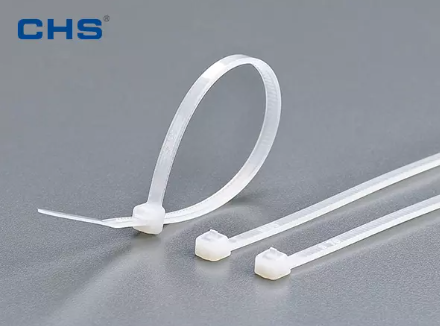
You might see cable ties in many places, from your home to large factories. A cable tie is a small, flexible strip that helps you bundle and secure wires or objects together. You use it by wrapping the strip around the items, then sliding the pointed end into a locking head. When you pull the end, the tie tightens and locks in place. This simple tool keeps wires neat and prevents them from getting tangled.
Cable ties come in different sizes and colors. Some are long and strong for heavy jobs, while others are small for light tasks. You can find them made from materials like nylon, which is strong and resists heat. Some cable ties can even handle outdoor weather. You might use them to organize computer cables, secure garden plants, or bundle tools in your garage.
Tip: Always cut off the extra end after you tighten a cable tie. This keeps your work neat and safe.
You may wonder if there is a difference between a zip tie and a cable tie. In most cases, people use both names for the same thing. The term "zip tie" comes from the sound you hear when you pull the tie tight. The word "cable tie" is the official name used by manufacturers and in technical settings.
Here is a quick comparison:
Feature | Cable Tie | Zip Tie |
|---|---|---|
Common Usage | Technical, industry | Everyday language |
Material | Nylon, plastic | Nylon, plastic |
Purpose | Bundling cables | Bundling anything |
You can use either term, and most people will understand you. Both names refer to the same handy tool that helps you keep things organized.
You often see cable tie uses in electrical work. Electricians rely on cable ties to keep wires organized inside control panels and junction boxes. You can bundle cables together to prevent tangling and improve safety. In factories, workers use general purpose cable ties to secure hoses, pipes, and wiring harnesses. Automotive technicians also depend on cable tie applications to hold wiring in place under the hood or inside the dashboard.
Here are some common types of cable ties you might encounter in these settings:
Standard nylon cable ties for everyday bundling
Heavy-duty cable ties for larger cables or hoses
General purpose cable ties for quick fixes and temporary holds
Tip: Always check the strength rating before choosing a cable tie for industrial tasks.
You can find cable tie uses in many places around your home. If you want to organize computer cables or charger cords, use a cable tie to keep them neat. Gardeners use general purpose cable ties to support plants or secure fencing. You might use cable ties to hang decorations, fix broken items, or bundle tools in your garage.
Here is a simple guide to using a cable tie:
Loop the cable tie around the items you want to bundle.
Insert the pointed end into the locking head.
Pull the end to tighten the tie until it feels secure.
Cut off any excess length for a clean finish.
The table below shows a few cable tie applications in different settings:
Setting | Example Use |
|---|---|
Electrical | Bundling wires in panels |
Automotive | Securing cables under hood |
Household | Organizing cords |
Garden | Supporting plants |
You can choose from many types of cable ties depending on your needs. Some are reusable, while others are single-use. General purpose cable ties work well for most tasks, but you may need specialty ties for outdoor or heavy-duty jobs.
You have seen cable ties change a lot since their invention. Early cable ties used basic nylon, which worked well for most jobs. Over time, manufacturers improved the materials to make cable ties stronger and more reliable. Today, you can find cable ties made from advanced nylon blends that resist heat, UV rays, and chemicals. These improvements help you use cable ties outdoors or in harsh environments without worrying about them breaking down.
Some industries need even tougher options. For example, you might use stainless steel cable ties in places with high temperatures or where fire safety matters. These metal ties do not melt or burn easily. Specialty cable ties also exist for unique needs. Some resist chemicals, while others can handle extreme cold. You can choose the right material for your job, whether you work in construction, automotive repair, or electronics.
Note: Always check the material rating before using a cable tie in a demanding environment.
Cable tie design has also evolved to meet your needs. The original cable ties had a simple locking head and a smooth strip. Now, you can find ties with improved locking teeth that grip tighter and hold more weight. Some designs include a double-locking mechanism for extra security. You might see ties with color coding, which helps you organize wires by type or purpose.
Reusable cable ties are another big change. You can unlock and use them again, which saves money and reduces waste. Some cable ties have identification tags or mounting holes, making it easier for you to label or attach them to surfaces. These changes help cable ties expand into new industries, such as medical devices, event planning, and even art installations.
Tip: Try different cable tie designs to find the best fit for your project.
You learned that the Cable Tie first appeared in 1958, changing how you organize wires and objects. Today, you use cable wire ties, reusable cable ties, and even metal cable ties in homes, cars, and industries. This simple invention still helps you solve problems every day.
Cable ties remain essential because you can rely on their strength, flexibility, and versatility for almost any task.
You will find that cable ties and zip ties refer to the same product. People use both terms for the same tool. Manufacturers often use cable ties, while you might hear zip tie in everyday conversation.
You can reuse some zip ties. Look for reusable designs with a release tab. Standard cable ties and zip ties do not open once locked. Always check the packaging to see if you have a reusable option.
You can use cable ties and zip ties outdoors if you choose UV-resistant or weatherproof types. These products resist sunlight and moisture. Always read the label to make sure your zip tie will last outside.
You will see strength ratings on cable ties and zip ties. Some hold just a few pounds, while heavy-duty versions support over 100 pounds. Always match the zip tie strength to your project for safety.
You can use cable ties and zip ties for crafts, organizing tools, or even emergency repairs. Many people use a zip tie to secure luggage, hang decorations, or fix broken zippers. Try new ideas to get the most from your zip tie.

