
Views: 0 Author: Site Editor Publish Time: 2026-11-27 Origin: Site


Standard cable ties fail rapidly in exposed photovoltaic (PV) environments. They break down under harsh sunlight. This failure leads to drooping wires, dangerous ground faults, and costly unplanned maintenance. They simply cannot survive the brutal conditions of an exposed solar array.
Solar installations demand heavy-duty components built for long lifespans. They must withstand 20 or more years of continuous ultraviolet (UV) exposure. Extreme thermal cycling and unpredictable weather conditions quickly destroy standard commercial plastics. Even the smallest wire fastener carries immense responsibility in a utility-scale energy project.
We designed this guide for procurement managers and solar engineers. It provides an evidence-based framework for evaluating and shortlisting reliable components. You will learn how to specify durable solar cable ties for your next project. This ensures your arrays meet strict long-term safety and performance compliance standards.
Many professionals view wire fasteners as low-cost consumables. You must frame them instead as critical points of failure for the entire PV system. When a fastener snaps, heavy wire bundles drop. They fall onto hot rooftop surfaces. They scrape against sharp metal racking edges. This creates immediate fire and safety hazards. It frequently causes dangerous ground faults. The entire inverter string might shut down. This halts energy production completely.
UV radiation actively attacks polymer chains in untreated plastics. Photons from intense sunlight carry immense energy. They break molecular bonds inside the plastic material. This process causes rapid photo-oxidation. The fastener becomes extremely brittle. It develops micro-cracks on the surface. Eventually, it snaps entirely under normal wire tension.
Thermal cycling adds another severe stress factor. Deserts experience freezing nights and scorching afternoons. This forces plastics to expand and contract daily. Continuous movement destroys internal plastic memory. The fastener loses its original tensile strength over time. It can no longer hold heavy cables securely.
Operations teams face disproportionate labor costs when replacing broken fasteners. Rolling out a maintenance crew costs hundreds of dollars per hour. Technicians must manually locate the specific ground fault. They must replace the broken fastener safely. They often have to repair damaged wire insulation. These unexpected repair bills severely hurt project profitability margins.
Solar applications require specific weather-resistant materials to function safely. The baseline standard relies on heavily stabilized polyamides. Nylon 66 Cable Ties dominate the commercial solar market today. They offer excellent mechanical strength and flexibility. However, they need proper chemical stabilization to survive outdoors.
Manufacturers must mix a minimum of 2% carbon black into the resin. This additive absorbs harmful UV light effectively. It acts like a microscopic shield. It protects the internal polymer matrix from photon degradation. Without it, the nylon degrades rapidly.
This popular material does have known limitations. It naturally absorbs ambient moisture from the surrounding air. In highly humid environments, the plastic becomes noticeably softer. In freezing conditions, absorbed water can freeze internally. This makes the nylon stiff and highly susceptible to impact breakage.
You might need alternative polymers for extreme climates. Nylon 12 and Nylon 612 offer distinct engineering advantages. They absorb significantly less moisture than standard polyamides. These advanced polymers resist harsh chemical exposure much better. They also tolerate extreme temperature swings reliably.
Engineers must justify the higher cost of advanced polymers. You should evaluate your site conditions carefully. Coastal areas with salt spray demand higher chemical resistance. High-altitude arrays experience intense UV radiation and deep freezes. These harsh geographic zones easily justify premium polymer investments.
Polymer Comparison Chart for Outdoor Environments
| Material Type | UV Resistance | Moisture Absorption | Ideal Use Environment |
|---|---|---|---|
| Standard Nylon (Non-UV) | Poor | High (approx. 8.5%) | Indoor applications only |
| UV-Stabilized Nylon 66 | High (with 2% Carbon Black) | High (approx. 8.5%) | Standard outdoor solar arrays |
| Advanced Nylon 12 / 612 | Very High | Low (approx. 1.5%) | Freezing, high-humidity, or coastal |
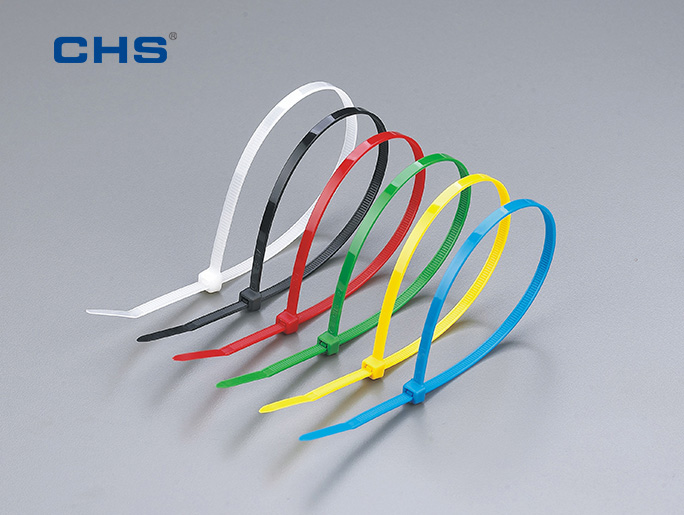
Different installation environments require distinct fastening solutions. You must specify the correct material for your specific geography. Many projects thrive using high-quality plastics. Others strictly mandate metal hardware for safety and longevity.
Specify UV-Resistant Cable Ties for standard commercial and utility-scale arrays. They excel under standard weather exposure conditions. Plastics remain highly cost-effective and lightweight. They are non-conductive materials. This eliminates frustrating grounding concerns during installation. Installers generally prefer them because they lock quickly. Teams can install them manually without expensive specialized metal-cutting tools.
Extreme environments demand stainless steel alternatives instead. Specify 304 or 316 grade steel for severe weather conditions. High wind loads exert immense pulling pressure on thick wire bundles. Coastal atmospheres introduce highly corrosive salt spray. Some commercial rooftop sites enforce strict fire-rating requirements. Building codes often prohibit plastics in these fire-rated zones.
Always specify coated stainless steel when bridging different metals. Bare steel reacts chemically when it contacts galvanized racking systems. This causes rapid galvanic corrosion. The structural metals break down quickly. A protective polymer coating prevents this destructive chemical reaction. It also cushions the thick PV wire jackets. This prevents sharp steel edges from slicing directly through the rubber insulation.
Material chemistry represents only half the battle. Mechanical design features dictate how fasteners interact with delicate PV wires. Poor physical designs cause catastrophic insulation failures over several years.
Operational movement threatens wire integrity daily. Single-axis trackers rotate thick bundles continuously from east to west. Steeply angled roof mounts let gravity pull heavy wires downward constantly. You need Anti-Skid Cable Ties to combat this relentless movement. They feature aggressive textured inner surfaces. This friction grips the wire jacket firmly. It prevents dangerous slippage on moving or steeply angled solar structures.
Edge design directly impacts wire longevity. Daily thermal expansion forces wires to swell. They push hard against their restraints. Sharp plastic edges will cut deeply into PV wire insulation. This exposes raw copper conductors. Always select fasteners featuring rounded or smooth edges. They distribute clamping pressure evenly across the soft wire jacket.
Consider the locking mechanism carefully before purchasing. Standard plastic pawl locks work well for static arrays. However, continuous wind vibration loosens cheap plastic pawls over time. Stainless steel barb designs provide superior long-term holding power. The sharp metal barb bites aggressively into the plastic strap. It prevents accidental release even under heavy wind vibration.
You cannot trust colorful marketing claims alone. Third-party testing provides the only reliable proof of product durability. Procurement teams must verify specific laboratory certifications before purchasing bulk components.
UL 62275 certification acts as a strict non-negotiable requirement. This standard rigorously tests wire management devices. Laboratories test maximum loop tensile strength. They verify maximum and minimum operating temperature limits. They strictly evaluate long-term UV resistance under accelerated weathering conditions. Without UL 62275 certification, you risk installing unverified, dangerous components.
Learn how to spot "fake" UV ratings immediately. Many buyers mistakenly rely on the color black as an indicator of UV resistance. Cheap manufacturers dye indoor nylon black. They sell it fraudulently for outdoor use. This inferior material degrades within a few short months.
Follow these best practices to verify true product compliance:
Even the best fasteners fail if installed incorrectly. Installation techniques dictate the final lifespan of your wire management system. Training your field crew prevents premature material failures.
Tensioning tool calibration prevents disastrous over-tightening. Installers often pull fasteners as tightly as physically possible. This represents a massive installation mistake. Ties installed too tightly cannot accommodate natural thermal expansion. The expanding wire bundles exert massive outward pressure on hot days. The overtightened plastic simply snaps under the strain. We strongly recommend using calibrated tensioning tools. They apply a precise, repeatable tension limit. They prevent reliance on inconsistent manual pulling force.
Handling and storage practices matter immensely. Nylon acts exactly like a sponge for environmental moisture. This internal moisture provides crucial flexibility. If you store them in hot, dry shipping containers, they bake. They lose their moisture content entirely. They become dangerously brittle before installation even begins. Leave them sealed securely inside their original plastic bags. Only open them at the exact moment of installation.
Flush cutting represents a mandatory safety practice. Standard side-cutters leave a sharp, jagged tail behind. This protruding tail acts like a hidden razor blade. It damages adjacent wires during heavy wind vibration. It also slices open the hands of maintenance personnel during inspections. Emphasize the use of proper flush-cut tools. They leave a perfectly smooth, safe finish every single time.
Specifying reliable fasteners requires strict attention to engineering detail. You must balance complex material science carefully. This includes choosing between stabilized nylon and coated stainless steel. You must evaluate critical mechanical features closely. Always prioritize anti-skid grip surfaces and smooth-edge designs to protect delicate wires. Above all, you must verify third-party safety compliance rigorously.
Procurement teams should act immediately to protect their assets. Audit your current cable management bill of materials thoroughly. Request certified technical data sheets directly from your hardware suppliers. Perform physical sample testing under site-specific weather conditions. You should complete this testing before placing massive bulk orders. Proactive component selection guarantees decades of safe, reliable solar energy production.
A: Lifespans vary based on material chemistry and environmental exposure. Specialized solar-grade nylon fasteners typically last between 7 and 15 years outdoors. Advanced polymers like Nylon 12, or high-quality coated stainless steel, can reliably exceed 20 years in harsh conditions. Always check manufacturer testing data for accurate estimates.
A: No. We strictly advise against this dangerous practice. Standard black fasteners merely use black dye for aesthetic color. They completely lack protective carbon black additives. Sun exposure quickly degrades these non-stabilized plastics. They will become brittle, crack, and fail within a few months, causing hazardous wire drooping.
A: Standard solar-grade variants typically operate between -40°C and 85°C. Heat-stabilized versions can withstand up to 115°C continuously. This range matters deeply because solar modules and metal racking systems generate intense radiant heat. Exceeding these temperature limits causes the plastic to melt, deform, or lose its structural tensile strength.
A: Cold weather causes nylon to lose its internal moisture quickly. This moisture loss drastically reduces flexibility, making the plastic highly brittle. Applying sudden tension in freezing temperatures snaps the rigid material. You must store them indoors to maintain internal moisture. Alternatively, purchase specialized cold-weather impact-modified fasteners for challenging winter installations.

