
Views: 0 Author: Site Editor Publish Time: 2026-02-23 Origin: Site


A cable gland is a mechanical device designed to attach and secure the end of an electrical cable to an enclosure or electrical equipment. Its primary purpose is to ensure that the cable is held firmly in place, preventing any accidental disconnections or wear that may occur from external factors. Moreover, cable glands provide protection against the ingress of dust, water, and other contaminants, ensuring the internal electrical components remain unaffected by external elements. This device is integral to maintaining a safe, efficient, and long-lasting electrical installation.
Cable glands are used in a wide array of industries and applications. They serve various essential functions, such as:
Sealing: They prevent environmental factors like moisture, dust, dirt, and chemicals from penetrating electrical systems. By ensuring tight seals around the cables entering the enclosures, cable glands contribute to the protection of sensitive electrical components.
Mechanical Protection: Cable glands offer mechanical strain relief, ensuring that cables do not get damaged due to bending or physical stress. They prevent cables from becoming frayed or broken under strain, which is particularly important for high-powered electrical systems.
Cable Strain Relief: With the growing need for longer cables or cables that experience tension, cable glands provide the necessary strain relief to prevent the cable from pulling out of its housing and causing an electrical malfunction or even a short circuit.
Electrical Continuity: In certain cases, cable glands also play an important role in ensuring the grounding or earthing of cables. This feature is essential for protecting equipment from electrical surges or potential electrical hazards.
A standard cable gland comprises several components that work in tandem to ensure its efficiency:
Cable Gland Body: The main body of the cable gland serves as the frame that holds all the other components together. It is typically made from durable materials such as brass or nylon, designed to withstand harsh environmental conditions. This part is essential for both the mechanical function and sealing properties of the gland.
Sealing Ring: This is a crucial component inside the gland, providing the necessary barrier against the ingress of moisture, dust, and other environmental hazards. Sealing rings are often made from materials like rubber, elastomers, or other soft materials to create an effective, long-lasting seal.
Locknut: The locknut helps secure the gland firmly in place on the equipment or enclosure, preventing it from loosening over time. It is typically screwed onto the gland body and ensures a secure connection to the mounting surface.
Clamping Mechanism: This mechanism helps secure the cable firmly within the gland, preventing it from being pulled out under tension. Clamping ensures that the cable is tightly held, preventing accidental disconnections or damage.
The material selection for cable glands is critical in ensuring that the gland performs optimally under various conditions. Some of the most common materials include:
Material | Characteristics |
Nylon | Lightweight, corrosion-resistant, and suitable for general use in less demanding environments. It is often used in applications where the environmental conditions are not too harsh. |
Brass | Known for its robustness and corrosion resistance, brass cable glands are ideal for industrial and heavy-duty environments. They also offer high electrical conductivity, which is beneficial in certain electrical installations. |
Stainless Steel | Stainless steel is highly resistant to corrosion and high temperatures, making it suitable for demanding applications such as chemical plants or environments with extreme weather conditions. |
Aluminum | Lightweight and resistant to corrosion, aluminum cable glands are used in applications where weight is a critical factor, and the environment is relatively mild. |
Each material is selected based on specific requirements such as mechanical strength, resistance to chemicals, temperature range, and electrical performance.
Cable glands are available in several types, each tailored to specific application needs. The most common types include:
Metric Cable Glands: Metric glands are designed with a metric thread and are the most widely used type in electrical installations. They are perfect for general applications, where moderate sealing and mechanical strength are required.
PG (Panzer) Cable Glands: PG cable glands are made with a German standard thread and are commonly used in industrial applications requiring enhanced strength and protection, particularly in heavy-duty environments.
NPT (National Pipe Thread) Cable Glands: NPT glands are primarily used in the United States and are designed with a tapered thread. This type of gland provides a secure seal by utilizing the natural taper of the threads.
Cable glands come with various sealing options to enhance their protective capabilities. These include:
Rubber Seals: Rubber is commonly used in sealing applications due to its flexibility and ability to provide a secure, tight seal that protects against dust and moisture.
Gaskets: Gaskets are used in conjunction with glands to provide a flexible seal. They are made from materials such as silicone, which allows them to expand and contract with temperature changes, ensuring a continuous seal.
O-Rings: O-rings are typically used to create a sealing mechanism around the gland body. They are made from elastomers like rubber, providing an effective barrier against environmental elements.
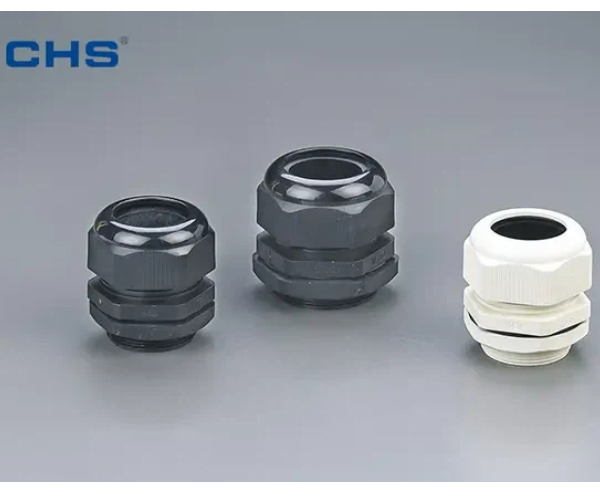
The primary function of a cable gland is to secure and seal cables entering electrical enclosures or equipment. The gland ensures that cables are tightly held in place while preventing any external contaminants, such as water or dust, from infiltrating the system. The gland is installed on the equipment’s entry point, and the cable is inserted into it. Once the gland is tightened, the sealing ring inside compresses around the cable, forming an effective barrier.
Cable glands are also designed to withstand various environmental stresses, including vibrations, mechanical loads, and temperature fluctuations. They are engineered to protect the electrical connections from short circuits or equipment malfunctions caused by these stresses.
Cable glands are equipped with protective features that enhance the safety and longevity of electrical systems. These include:
Water Resistance: Glands with high Ingress Protection (IP) ratings ensure that water cannot enter the electrical enclosure. This is particularly important for outdoor installations where rain or humidity is a concern.
Dust Protection: Cable glands are designed to prevent dust and dirt from entering the electrical enclosure. This is essential in environments where dust can cause short circuits or corrosion of internal components.
Chemical Resistance: Some glands are specially designed to resist exposure to aggressive chemicals. These glands are often made from materials like stainless steel or chemical-resistant polymers, making them suitable for use in industries such as oil and gas, pharmaceuticals, and manufacturing.
Cable glands play a vital role in ensuring the overall safety of electrical installations. Without proper sealing and securing mechanisms, cables can become damaged, leading to short circuits, electrical fires, or system malfunctions. Cable glands effectively prevent such risks by ensuring that cables are properly sealed and mechanically protected. Additionally, they help maintain the integrity of the electrical system, ensuring that it operates efficiently without interruption.
The long-term durability of electrical systems heavily depends on the protection provided by cable glands. When properly installed, cable glands help preserve the performance of electrical cables by preventing external factors like moisture, dust, or mechanical strain from causing premature wear. As a result, cable glands contribute to the overall longevity of electrical installations, reducing maintenance costs and improving the reliability of the system.
When selecting a cable gland, it is crucial to consider various factors to ensure that the gland performs optimally in the given environment:
Cable Size: Cable glands must be selected based on the cable diameter to ensure a secure fit. Using a gland that is too large or too small can result in an improper seal and potential damage to the cable.
Material Requirements: Consider the environmental factors, such as temperature, humidity, and exposure to chemicals, when choosing the material for the gland.
IP Rating: The IP rating indicates the level of protection against water and dust. For installations in harsh environments, choose glands with higher IP ratings.
Thread Type: Different environments require different thread types (metric, PG, or NPT). Be sure to select the appropriate thread for the installation.
Proper installation is essential to ensure that cable glands provide their full protective capabilities. Here are a few key installation tips:
Correct Tightening: Ensure that the gland is tightened properly without over-tightening, as this could damage the gland or cable.
Proper Sealing: Double-check that the sealing rings and gaskets are properly positioned to ensure an effective seal against environmental contaminants.
Strain Relief: Ensure that the cable is properly clamped in the gland to prevent strain on the cable, which could lead to cable damage over time.
Cable glands play a crucial role in ensuring the safety and reliability of electrical installations by offering essential mechanical protection and environmental sealing. Their ability to guard against moisture, dust, and mechanical stress helps maintain the integrity and longevity of electrical systems. By selecting the right type of cable gland and ensuring its proper installation, systems can remain secure, efficient, and durable for years.
At Changhong Plastics Group Imperial Plastics, we specialize in high-quality cable glands designed to meet the most demanding applications. Our products are engineered for superior performance in various environments, providing robust protection for your electrical installations. Whether you're in need of standard or customized cable glands, we offer a wide range of solutions tailored to your specific requirements.
For more information or inquiries about our products, feel free to reach out to our team. We are committed to helping you find the ideal solution to ensure the safety and efficiency of your electrical systems.
Cable glands serve to secure and seal electrical cables, preventing moisture, dust, and mechanical strain from damaging the cables and the system.
Consider factors like cable size, material, IP rating, and thread type to select the appropriate gland for your project.
Yes, cable glands with appropriate IP ratings (e.g., IP68) are designed to protect against water and dust, making them ideal for outdoor use.
Plastic cable glands are lightweight and corrosion-resistant, while metal cable glands (such as brass or stainless steel) are more durable and suitable for heavy-duty applications.

