
Views: 0 Author: Site Editor Publish Time: 2026-02-13 Origin: Site


In any outdoor or industrial setting, effective cable management is essential for ensuring both the safety and longevity of electrical systems. Cable ties play a vital role in securing cables, ensuring they stay organized, protected, and properly routed, especially in harsh environments. Whether you're installing cables in solar power systems, securing wires on offshore rigs, or organizing wires in a chemical plant, the right cable ties are crucial in maintaining system efficiency and minimizing the risk of system failure.
Cable ties are not only used for organization; they also ensure that cables remain protected from external damage, like tangling, abrasion, or environmental stressors. In harsh environments, cable ties help to keep the cables in place despite the forces of wind, vibration, UV exposure, temperature fluctuations, and moisture. Using the wrong cable ties can lead to premature failure, resulting in costly maintenance or replacements.
Cable ties used in outdoor or industrial environments face unique challenges. Exposure to ultraviolet (UV) rays, extreme temperatures, moisture, and chemical exposure can all cause materials to degrade over time. UV rays, in particular, can break down standard plastics, making them brittle, discolored, and prone to snapping. Likewise, extreme heat or cold can cause cable ties to lose their flexibility, rendering them ineffective.
In environments such as solar farms, offshore rigs, and manufacturing plants, choosing cable ties that can endure these environmental challenges is paramount. Without the proper cable tie, even the most carefully installed cables can suffer from exposure, leading to potential system failures. This makes it essential to carefully select cable ties that are designed to withstand harsh environmental conditions.
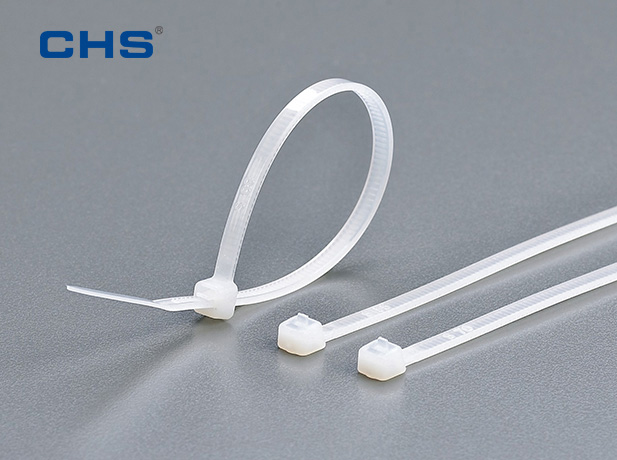
UV rays from the sun cause the polymer chains in materials like nylon to break down, leading to a gradual loss of strength, flexibility, and color. Over time, UV exposure can make cable ties brittle, which increases the risk of failure, especially in outdoor applications. For cable ties that will be used outdoors, UV resistance is one of the most important factors to consider.
UV-resistant cable ties are treated with stabilizers that prevent degradation from UV exposure. These stabilizers allow the ties to maintain their structural integrity and flexibility, even after years of continuous exposure to sunlight. Without UV resistance, cable ties may fail quickly, leading to disorganized cables and potential safety hazards.
When selecting UV-resistant cable ties for outdoor environments, it's crucial to look for ties specifically designed for prolonged exposure to sunlight. A few key considerations include:
UV Rating: Manufacturers often provide a UV rating for cable ties. Higher ratings indicate greater resistance to UV degradation and longer lifespans in direct sunlight.
Material Additives: Look for cable ties that include UV stabilizers or special coatings designed to protect against sun damage.
Longevity: Make sure the cable tie is designed for long-term use in your specific outdoor conditions, whether it's for solar panel installations, outdoor electrical systems, or any other exposed environment.
High temperatures can cause materials to soften, lose strength, and lose their structural integrity. When exposed to heat, standard nylon cable ties can become brittle or stretch, potentially causing cables to loosen and fail. In industrial applications, such as near machinery, engines, or in hot climates, heat resistance is essential.
Cable ties that are resistant to heat maintain their tensile strength even in environments with elevated temperatures, ensuring that cables stay securely fastened. Materials like Nylon 12 or cable ties with specific heat-resistant coatings are commonly used in these environments.
Cold temperatures pose a different challenge. When exposed to freezing conditions, many materials become brittle, which can lead to cable tie breakage. In locations where temperatures regularly dip below freezing, it's essential to use cable ties that are specifically rated to remain flexible and strong in low temperatures. Cold-resistant cable ties are formulated to retain their strength and flexibility, even in sub-zero environments.
Cable ties designed for extreme cold often use modified nylons or other materials that don't lose their flexibility, which ensures that cables remain tightly secured in freezing temperatures. These ties are perfect for environments like outdoor installations in cold climates or electrical systems exposed to freezing rain or snow.
In many industrial settings, cable ties are exposed to chemicals like oils, solvents, acids, and alkalis. These chemicals can break down standard nylon cable ties, causing them to lose strength and flexibility. For industries like chemical manufacturing, oil refining, or offshore oil rigs, choosing cable ties that are resistant to chemical exposure is essential to ensure the safety and longevity of the cable management system.
Chemical-resistant cable ties are typically made from materials like polypropylene or high-density polyethylene, which provide superior resistance to common industrial chemicals. These materials are less likely to degrade when exposed to harsh substances, making them ideal for chemical plants, offshore drilling operations, or any other setting where chemical exposure is frequent.
When selecting chemical-resistant cable ties, it’s important to:
Match the Material to the Chemicals: Different chemicals require different materials to resist degradation. Ensure the cable tie material can withstand the specific chemicals in your environment.
Consider the Type of Exposure: Some chemical-resistant cable ties are designed for continuous exposure, while others are best for intermittent contact. Choose ties based on how the cables will be exposed to chemicals over time.
Tensile strength refers to the maximum force a cable tie can withstand before it snaps. In harsh environments, where cables may be subjected to high mechanical stress, vibrations, and physical forces, selecting cable ties with high tensile strength is essential. This ensures that the ties will securely hold the cables in place, even when exposed to environmental stressors like wind or equipment vibrations.
In addition to tensile strength, overall durability plays a significant role in the longevity of cable ties. The ability of a cable tie to resist abrasion, wear, and other physical stresses is crucial in environments where the ties are constantly under pressure. Look for cable ties that are designed to withstand these stresses without breaking down or losing their securing ability.
Standard nylon cable ties are a widely used choice for general cable management. While they work well in many environments, their performance in harsh conditions can be limited due to their susceptibility to UV degradation and temperature sensitivity. However, for applications that don’t face constant UV exposure or extreme temperatures, they can be a cost-effective option.
Pros:
Affordable and widely available.
Versatile, suitable for a wide range of general applications.
High tensile strength for everyday use.
Cons:
UV degradation causes brittleness and failure in outdoor settings.
Not suitable for extremely cold or hot environments.
Vulnerable to chemical exposure in some industries.
UV-resistant nylon cable ties are designed for outdoor use, where direct sunlight is a concern. They are treated with UV inhibitors, which allow them to withstand the harmful effects of UV radiation, making them ideal for outdoor installations such as solar panel systems or wiring on rooftops.
Pros:
Specifically designed to resist UV degradation, making them suitable for long-term outdoor use.
Available in various sizes to accommodate different cable management needs.
Cost-effective for general outdoor applications.
Cons:
May still have limitations in extreme temperatures or chemical exposure.
Higher cost compared to standard nylon cable ties.
Stainless steel cable ties offer superior strength and durability, making them ideal for harsh and high-stress environments. They are highly resistant to UV rays, corrosion, and extreme temperatures, making them perfect for use in marine, offshore, and chemical industries.
Pros:
Extremely strong, making them ideal for securing heavy cables.
Resistant to corrosion, rust, and UV rays, making them suitable for outdoor and industrial use.
Can withstand high and low temperatures, making them perfect for extreme climates.
Cons:
More expensive than nylon ties.
Less flexible, which can make installation more challenging.
May require specialized tools for proper installation.
There are several types of specialty cable ties designed for specific applications in harsh environments:
Heavy-Duty Cable Ties: These are designed for large, heavy cables used in industrial or outdoor settings. They are made from strong materials and are ideal for securing thick bundles of wires or cables in high-stress environments.
Flame-Retardant Cable Ties: These ties are specially treated to resist ignition and prevent the spread of flames, making them suitable for use in industrial settings where fire safety is a concern.
Chemical-Resistant Cable Ties: Made from materials like polypropylene or other resistant polymers, these cable ties are designed to withstand exposure to harsh chemicals, such as acids, oils, or solvents. They are perfect for chemical plants, laboratories, and manufacturing facilities.
Pros of Specialty Cable Ties:
Tailored for specific applications, ensuring optimal performance in their intended environment.
Wide variety available to meet the unique needs of different industries.
Cons of Specialty Cable Ties:
More expensive than standard or UV-resistant nylon ties.
May require careful selection to ensure compatibility with the specific environmental factors (e.g., temperature, chemical exposure).

In solar power systems, cable ties play a crucial role in securing cables on rooftops, ground-mounted solar systems, and inverters. For these applications, UV-resistant nylon cable ties are often the best choice. They offer the UV protection needed to withstand prolonged sunlight exposure while remaining flexible and durable. Stainless steel cable ties may be used in areas that are exposed to extreme environmental conditions, like offshore solar farms.
When selecting cable ties for solar panel installations, consider:
UV Resistance: Ensure the cable ties can handle long-term sunlight exposure without degrading.
Temperature Resistance: Solar panel systems can be exposed to high temperatures, particularly on rooftops, so choosing cable ties with heat resistance is essential.
Size and Strength: Ensure that the cable ties are appropriately sized for the cables and strong enough to hold them securely.
Marine environments and offshore rigs are exposed to some of the harshest conditions: saltwater, high humidity, and extreme temperatures. Stainless steel cable ties are often the best option for these settings because of their exceptional resistance to corrosion and their ability to endure physical stress. UV-resistant nylon cable ties may also be used for certain applications, though stainless steel ties generally offer superior long-term durability.
When choosing cable ties for marine and offshore environments, focus on:
Corrosion Resistance: Stainless steel cable ties are the most effective in these environments due to their resistance to saltwater corrosion.
UV Resistance: In offshore environments, UV-resistant nylon ties can also be beneficial, particularly for exposed cables and components.
Strength and Durability: Given the physical stress placed on cables in these settings, make sure the ties are strong enough to hold cables securely in place despite constant vibrations and movements.
Chemical plants, refineries, and manufacturing facilities often involve exposure to oils, solvents, and other corrosive substances. In these environments, chemical-resistant cable ties made from polypropylene or other specialty materials are the most effective. These ties offer resistance to chemical degradation and ensure that cables remain securely fastened despite exposure to harsh chemicals.
For industrial applications, ensure you select cable ties that:
Resist Chemical Exposure: Choose chemical-resistant cable ties made from materials such as polypropylene, which can endure acids, oils, and solvents.
Withstand High Temperatures: Many industrial applications require cable ties that can handle high temperatures, especially near equipment or machinery.
Offer High Strength: Ensure that the ties can withstand the weight and tension of cables in a high-stress environment.
Installing cable ties correctly is crucial for ensuring their longevity and the efficiency of your system. Here are some tips:
Avoid Over-tightening: Over-tightening can damage the cables and reduce the tie’s lifespan. Use a cable tie tensioning tool to achieve optimal tension.
Choose the Right Size: Make sure the cable tie is long enough to secure the cable without excess bulk, but not too tight to cause damage to the cable.
Use the Right Tools: A proper installation tool can help ensure the cable ties are applied with the correct tension, minimizing the risk of over-tightening or under-tightening.
Regular inspections of your cable ties are important to ensure they are still functioning properly, especially in harsh environments. Look for signs of wear such as cracking, brittleness, or discoloration. Replacing damaged cable ties as soon as possible can help prevent failures and ensure the system remains operational.
As you consider the best cable ties for your outdoor and harsh environment applications, CHANGHONG PLASTICS GROUP IMPERIAL PLASTICS CO., LTD. offers high-quality solutions designed to meet the demands of extreme conditions. With years of experience in producing durable, UV-resistant, and chemically resistant cable ties, the company is a trusted provider for industries such as solar energy, marine, offshore, and manufacturing. Whether you're securing cables in solar panel systems, industrial plants, or offshore rigs, CHANGHONG PLASTICS ensures that their products stand up to the toughest challenges, providing reliability and long-lasting performance. Choose CHANGHONG PLASTICS for the superior quality and support you need in demanding environments.

