


A cable gland is a vital component in any electrical system that ensures the safe and secure entry of cables into electrical enclosures, junction boxes, or machinery. They help prevent the ingress of contaminants such as dirt, moisture, and chemicals, which could otherwise damage sensitive equipment. Additionally, cable glands provide strain relief to the cable, reducing the mechanical stress on the cable entry point and ensuring its longevity.
Understanding how to use a cable gland properly is essential for maintaining safety standards, maximizing the efficiency of your electrical system, and ensuring that the cables are properly sealed and secured. This article will guide you through the correct process of using cable glands, the different types available, and best practices for installation and maintenance. By following these instructions, you can prevent common errors and improve the reliability of your installations.
A cable gland, also known as a cable connector or cable fitting, is a mechanical device used to attach and secure the end of a cable to an electrical enclosure or machinery. Its primary function is to provide both a physical and environmental seal around the cable, ensuring that it is securely held in place while preventing the ingress of dust, water, or other contaminants.
There are several different types of cable glands, each designed for specific applications and environments. The most commonly used types include:
Metric Cable Glands: These glands use the international standard for thread sizing, making them suitable for a wide range of applications worldwide. They are often used in industrial and automation settings where the cable needs to be securely sealed within the enclosure.
PG Cable Glands: The PG (Panzergewinde) thread system is a popular choice in Europe. These glands are often used in specific industries, such as telecommunications and machinery, where a different threading system is required.
The versatility of cable glands makes them suitable for various industries such as industrial machinery, electrical control systems, telecommunications, and more. They are used in a wide range of applications where secure cable connections are essential for maintaining system integrity.
A typical cable gland consists of several key components that work together to ensure proper functionality and safety:
Component | Description |
Gland Body | The outer casing of the gland, which holds the components in place and provides mechanical protection. It is typically made of materials such as plastic, brass, or stainless steel. |
Seal | A rubber or elastomeric part that fits around the cable and provides a tight seal. This is critical for ensuring that the gland is water- and dustproof. |
Nut | The nut is used to secure the gland body to the electrical enclosure or junction box. It is tightened over the cable, compressing the seal to create a secure fit. |
Washer | Positioned under the nut, it helps distribute the pressure evenly, preventing damage to the cable and providing a stable connection. |
Locking Ring | A component that ensures the gland stays locked in place once tightened, preventing accidental loosening over time. |
Each of these components plays a vital role in ensuring the gland functions as intended and provides the necessary sealing and mechanical support. The material choices for these components also affect the durability and effectiveness of the cable gland, particularly in harsh environments such as outdoor or industrial settings.
Proper installation of a cable gland is crucial for ensuring that it performs effectively. Here is a detailed, step-by-step guide on how to use a cable gland.
Before starting the installation, ensure that the cable and cable gland are correctly chosen and prepared.
Choosing the Right Cable Gland: The first step is to select the correct cable gland that matches the diameter and type of your cable. This is important to ensure that the gland can adequately seal and provide strain relief. The size and material of the gland should be compatible with the cable type and the environment in which it will be used.
Preparing the Cable: Stripping the outer sheath of the cable to the correct length is an essential step. The cable should be stripped just enough to allow the gland to secure it, but not so much that the conductors inside are exposed or damaged. Make sure to use appropriate stripping tools to avoid damaging the cable.
Once the cable is prepared, the next step is to install it into the cable gland. Ensure that the gland is positioned correctly around the cable.
Cable Positioning: Insert the cable into the gland, ensuring that it fits snugly. The gland should be positioned so that the rubber seal surrounds the outer sheath of the cable. The seal compresses when the gland is tightened, providing a watertight and dustproof barrier.
Seal Placement: The rubber or elastomeric seal should be placed in a way that it fits tightly around the cable. Ensure that the seal is properly seated to provide the best protection.
Once the cable is properly positioned inside the gland, you need to tighten the gland to secure it in place.
Using the Nut: The gland body is secured by tightening the nut around the cable. It is important to tighten the nut until the gland is firmly in place, but avoid overtightening, as this can damage the gland, the seal, or the cable itself. Use the recommended torque settings if available.
Securing the Seal: As the nut is tightened, the seal around the cable will compress, providing a tight and secure fit. This compression ensures that the gland is both mechanically secure and resistant to environmental factors like moisture or dust.
Once the gland is installed, it’s essential to test the seal to ensure its effectiveness.
Visual Inspection: Inspect the gland for any visible gaps or misalignments. Make sure that the gland is securely tightened and that the seal is evenly compressed around the cable.
Tightness Test: Apply a small amount of pressure to check that the gland does not loosen. Ensure that the seal remains intact and there are no signs of water, dirt, or other contaminants entering through the gland.
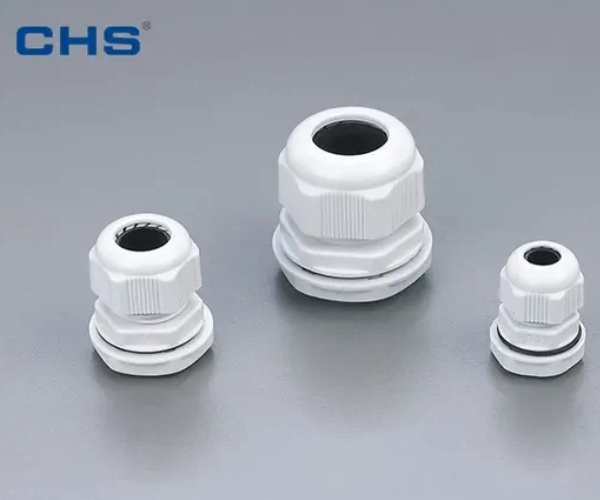
To ensure that the cable gland performs its job effectively and lasts for a long time, here are a few best practices:
Select the Correct Size: Choosing the right size cable gland is critical to ensure a secure fit. Too large or too small a gland can result in poor sealing and mechanical stress.
Proper Torque: Use the correct torque when tightening the gland. Overtightening can damage both the gland and the cable, while under-tightening may lead to ineffective sealing.
Follow Manufacturer Guidelines: Always refer to the manufacturer’s instructions for specific installation recommendations and maintenance advice. Following these guidelines will help ensure optimal performance.
Regular Inspections: Over time, cable glands may wear or loosen due to environmental factors or mechanical stress. Regular inspections and maintenance are crucial to ensure continued performance.
Cable glands are essential for a wide variety of industrial applications. They are commonly used in the following sectors:
Electrical Enclosures: For connecting cables to junction boxes or electrical control cabinets.
Industrial Machinery: Used in automated systems and other industrial equipment to ensure cables are properly sealed and secured.
Telecommunications: Cable glands are used in communication systems to provide secure, sealed connections.
Marine and Offshore: Due to their ability to withstand harsh environments, cable glands are also used in marine and offshore applications, where cables are exposed to high humidity, saltwater, and other corrosive conditions.
Proper maintenance and inspection of cable glands are essential for ensuring long-term reliability. Regular checks will help identify any potential issues before they become critical.
Inspect for Wear and Tear: Over time, cable glands may show signs of damage due to mechanical stress, corrosion, or environmental exposure. Inspect the gland regularly to ensure that it is still secure and providing an effective seal.
Check the Seal: The rubber seal around the cable can wear out over time. Ensure that it is still intact and functioning as intended. If the seal is damaged or deteriorating, replace the gland immediately.
Re-tighten as Needed: Cable glands may loosen slightly over time due to vibrations or other environmental factors. It is important to re-tighten the gland as needed to maintain a secure and effective seal.
Using a cable gland correctly is essential for maintaining the safety and reliability of your electrical systems. By adhering to proper installation and maintenance guidelines, you can prevent failures caused by environmental exposure, mechanical stress, or loose connections. A well-installed cable gland not only ensures a secure and effective seal but also contributes to the long-term durability of both cables and electrical components.
At Changhong Plastics Group Imperial Plastics, we specialize in providing high-quality cable glands that offer exceptional protection and reliability. Our products are designed to withstand challenging environments, ensuring optimal performance in various applications. If you’re looking for reliable and durable cable glands, we invite you to learn more about our offerings and how we can support your needs. Reach out to us today for more information or assistance with your projects.
A cable gland secures and seals the end of a cable where it enters an electrical enclosure, preventing dust, water, and other contaminants from entering, while providing mechanical support to the cable.
The right cable gland depends on the cable size, type, and environmental conditions. Select a gland that matches the cable’s diameter and material, and ensure it is designed for the specific environmental factors (e.g., moisture, dust) the gland will be exposed to.
Some cable glands can be reused if they show no signs of wear or damage. However, it is recommended to replace a gland if it is worn, damaged, or no longer provides a secure seal.
A metric cable gland uses a standard metric thread, while a PG cable gland uses the PG (Panzergewinde) thread. The choice between the two depends on the region and specific application requirements.

