
Views: 0 Author: Site Editor Publish Time: 2026-02-11 Origin: Site


Cable ties are essential components in many industries, serving to securely bundle, organize, and fasten wires and cables. From electronics to construction, cable ties ensure that cables remain orderly and undamaged, providing not only functional but safety benefits. In demanding industries such as marine and offshore, the need for reliable and durable cable management is heightened due to exposure to extreme environmental factors like high moisture, saltwater, and varying temperatures.
Marine and offshore environments present unique challenges, with constant exposure to saltwater, harsh winds, extreme temperatures, and UV radiation. For these reasons, choosing the right material for cable management is critical. 316-grade stainless steel cable ties stand out due to their superior resistance to corrosion, ensuring that cables remain secure and intact, even in the harshest environments. Their strength and durability under heavy-duty conditions make them the ideal choice for industries such as shipbuilding, oil rigs, and other offshore operations.
316-grade stainless steel is an alloy composed primarily of iron, with chromium, nickel, and molybdenum. The molybdenum content (2-3%) in 316-grade stainless steel makes it far more resistant to corrosion compared to 304-grade, especially in chloride-rich environments like seawater. This resistance makes 316-grade stainless steel the material of choice for applications that demand strength, durability, and protection from corrosion over extended periods.
The unique composition of 316-grade stainless steel ensures that the cable ties can withstand harsh conditions that would corrode other metals. This is especially important for industries like marine, offshore, and chemical processing, where environmental stressors are constant and intense.
316-grade stainless steel cable ties are precision-manufactured to ensure strength and reliability. The production process involves the following key stages:
Material Sourcing: Only high-quality 316-grade stainless steel is used, ensuring that the alloy composition meets the specific standards needed for marine and offshore environments.
Manufacturing Process: The steel is cut into the required sizes and formed into cable ties through a stamping process. This step ensures that the ties are uniform, strong, and able to handle the necessary load.
Quality Control: Rigorous testing is carried out to ensure that each cable tie meets tensile strength requirements, corrosion resistance standards, and durability expectations. This includes exposure to simulated harsh environments to confirm that the ties can maintain their performance in real-world conditions.
316-grade stainless steel cable ties have several key features that make them ideal for demanding applications:
Corrosion Resistance: The primary feature that sets 316-grade ties apart is their exceptional resistance to corrosion. Even when exposed to saltwater, chemicals, or humid conditions, they maintain their structural integrity without rusting.
High Tensile Strength: These ties are designed to withstand heavy loads, making them suitable for securing cables, hoses, and other critical components in high-stress environments.
Temperature and UV Resistance: 316-grade stainless steel ties are capable of withstanding extreme temperatures, from freezing conditions to intense heat, and can endure prolonged exposure to UV radiation without degrading or weakening.
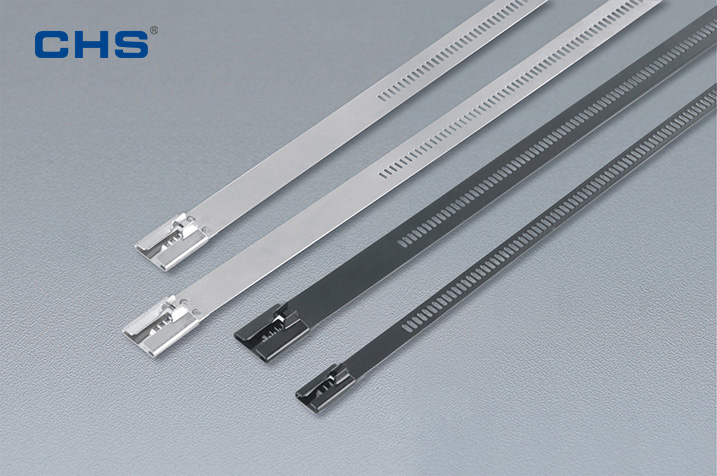
One of the biggest challenges in marine and offshore industries is corrosion. Saltwater is extremely corrosive and can damage metal components in a very short time. 316-grade stainless steel cable ties are specifically designed to resist the corrosive effects of saltwater, ensuring that cables remain securely fastened even in coastal or offshore environments. This makes them an essential choice for shipbuilding, offshore oil platforms, and marine infrastructure, where exposure to saltwater is constant and inevitable.
Offshore Oil Platforms: These platforms are surrounded by seawater, making the use of regular cable ties unsuitable as they quickly degrade. 316-grade stainless steel ties ensure the safe management of cables without the need for frequent replacements.
Marine Equipment: In shipbuilding, where exposure to saltwater is continuous, 316-grade cable ties provide long-lasting performance and are crucial for securing sensitive electrical systems and components.
Offshore environments are subject to high mechanical stress, vibrations, and movement due to rough seas and operational conditions. This requires cable ties that can not only resist corrosion but also endure heavy-duty loads. 316-grade stainless steel ties are known for their high tensile strength, which allows them to hold cables and components securely, even in environments where other materials might fail. These cable ties are particularly valuable in offshore drilling rigs, ship construction, and other high-stress marine applications.
Offshore Rigs and Platforms: 316-grade stainless steel cable ties are used to secure cables for critical equipment such as communication systems, emergency shutdown systems, and power generation units. Their strength ensures that these cables remain intact even under harsh conditions.
Shipbuilding: In ships, where constant movement and vibrations can challenge cable management, 316-grade ties ensure cables stay secured, preventing damage and operational failures.
Efficient cable management is a critical aspect of offshore platforms, where vast amounts of wiring and cables are used to power equipment, transmit data, and ensure safety systems function properly. In these environments, cable ties are used to bundle, organize, and secure cables to prevent tangling, damage, or interference with machinery. 316-grade stainless steel cable ties excel in these applications due to their high strength and corrosion resistance.
These cable ties help maintain clear pathways for wiring, ensuring that maintenance is easier and less disruptive. The robust construction ensures that cables remain firmly in place, even during rough seas or in areas subject to heavy mechanical movement.
316-grade stainless steel cable ties are also crucial in fastening components within marine equipment. From securing hoses to holding sensitive electrical systems in place, these ties ensure that equipment remains intact and protected against the elements. For example, they are used to fasten parts of the engine systems, control systems, and navigation systems aboard ships and offshore platforms.
Additionally, their ability to withstand vibrations and constant movement makes them an ideal choice for securing essential equipment that could otherwise suffer from wear or disconnection due to exposure to the harsh environment.
Offshore platforms and ships rely on a range of safety and signal systems to ensure safe operations and quick responses to emergencies. These systems often involve wiring for alarm systems, emergency shutdown systems, and backup power supplies. 316-grade stainless steel cable ties are used to keep these wires securely fastened and organized, ensuring that signals remain intact during emergencies.
The durability and resistance to environmental stressors ensure that cables used in safety-critical applications will not degrade over time, offering long-term reliability and safeguarding the integrity of the safety infrastructure.
In the shipbuilding industry, 316-grade stainless steel cable ties are used extensively in various applications, including securing cables within the hull, engine rooms, and other critical areas. These ties prevent cables from moving or becoming damaged during the construction process, and once the vessel is in service, they continue to provide essential support for cable management throughout the ship’s life.
Since ships are constantly exposed to water and harsh weather conditions, the strength and corrosion resistance of 316-grade stainless steel are essential for ensuring the reliability and longevity of cable systems.
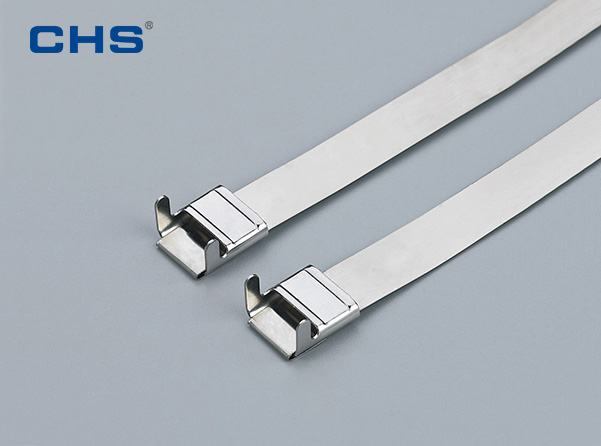
One of the first considerations when selecting a cable tie is ensuring that the size and length are appropriate for the cables or wires they will be securing. Using a tie that is too short or too long can lead to ineffective cable management, as the tie may not secure the cables tightly enough or may be unnecessarily bulky.
When choosing 316-grade stainless steel cable ties, consider the diameter of the cables being bundled, as well as the specific application requirements. Ties come in various sizes to handle different thicknesses and numbers of cables.
Each cable tie has a specified tensile strength, which refers to the maximum load the tie can handle without breaking. It’s crucial to match the tensile strength of the tie to the requirements of the application, ensuring that the tie is strong enough to hold the cables securely without stretching or snapping.
For offshore and marine applications, where heavy-duty cable management is required, selecting ties with a high tensile strength rating is essential for maintaining safety and reliability.
Beyond size and strength, it's important to consider environmental factors such as exposure to UV rays, temperature extremes, and chemical exposure. 316-grade stainless steel cable ties excel in these environments, but in certain applications, customized solutions may be needed.
For example, cable ties with special coatings or finishes might be required in particularly harsh chemical environments, or ties with extended lengths may be needed for unique installation challenges.

Proper installation is crucial to ensure that the 316-grade stainless steel cable ties perform as expected in demanding environments. When installing the ties, it’s important to ensure that they are tensioned properly—not too tight to avoid damaging the cables, and not too loose to ensure they stay in place.
Using proper installation tools, such as cable tie tensioning tools, can help achieve the right level of tightness and avoid over-tightening, which could lead to damage. These tools can also improve efficiency and ensure consistency in installation across large projects.
316-grade stainless steel cable ties are built to last, but regular maintenance is still important to ensure long-term performance. Routine inspections should be conducted to check for signs of wear, corrosion, or damage, particularly in areas exposed to saltwater or high-stress environments.
Cleaning the ties regularly by removing accumulated salt, dirt, or debris can prevent corrosion and ensure that the ties continue to function effectively. Additionally, periodic checks can identify ties that need replacement before they fail, ensuring the continued safety and efficiency of cable management systems.
As highlighted in this article, the need for reliable and durable cable management in marine and offshore environments is crucial. CHANGHONG PLASTICS GROUP IMPERIAL PLASTICS CO., LTD. offers top-quality 316-grade stainless steel cable ties, designed to withstand the toughest conditions. With years of experience in manufacturing high-performance cable ties, the company provides solutions that meet the demanding requirements of industries such as marine, offshore, and more. Their products ensure secure, long-lasting cable management in even the harshest environments.
316-grade stainless steel cable ties offer unmatched corrosion resistance, strength, and durability, making them the best choice for marine and offshore applications. Whether used in cable management, equipment fastening, or safety systems, these ties ensure that cables remain securely fastened and protected against the elements.
Investing in high-quality 316-grade stainless steel cable ties pays off in the long run by reducing maintenance costs and enhancing the reliability of critical systems. Their long lifespan and ability to withstand extreme conditions make them a smart investment for industries where equipment failure can lead to significant operational disruptions.
In marine and offshore settings, where reliability and safety are paramount, 316-grade stainless steel cable ties provide peace of mind, ensuring that cable management systems remain intact and operational, even under the harshest conditions.

